The Backdrop That Also Solves Your Neighbour Problem
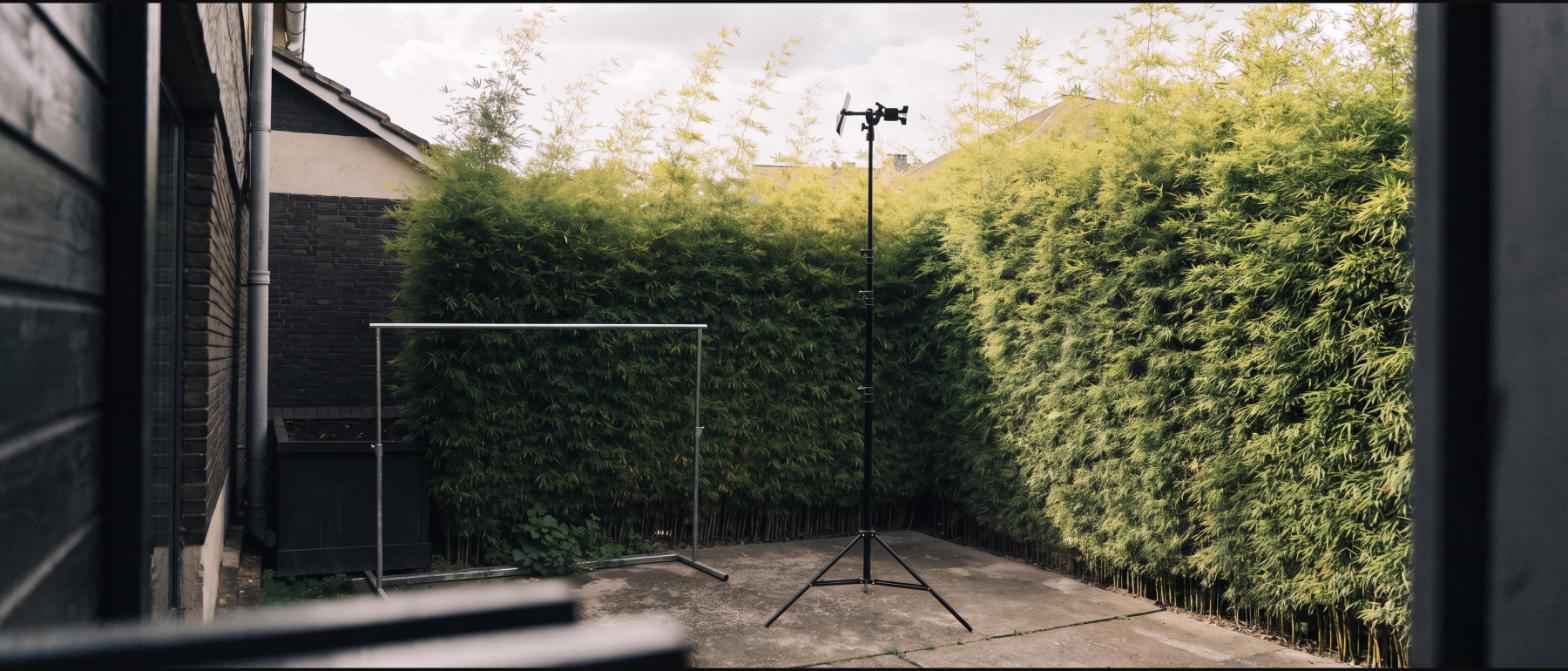
Studio hire is the line item that kills a small label’s shoot budget, so a lot of brands end up working in a backyard or a courtyard instead. Two problems show up in the first ten minutes. The boundary is ugly — fence panels, a neighbour’s window, an air conditioning unit — and you are being watched by anyone with a first-floor view, which matters a great deal the moment somebody needs to change.
Why a Living Boundary Beats a Backdrop Roll
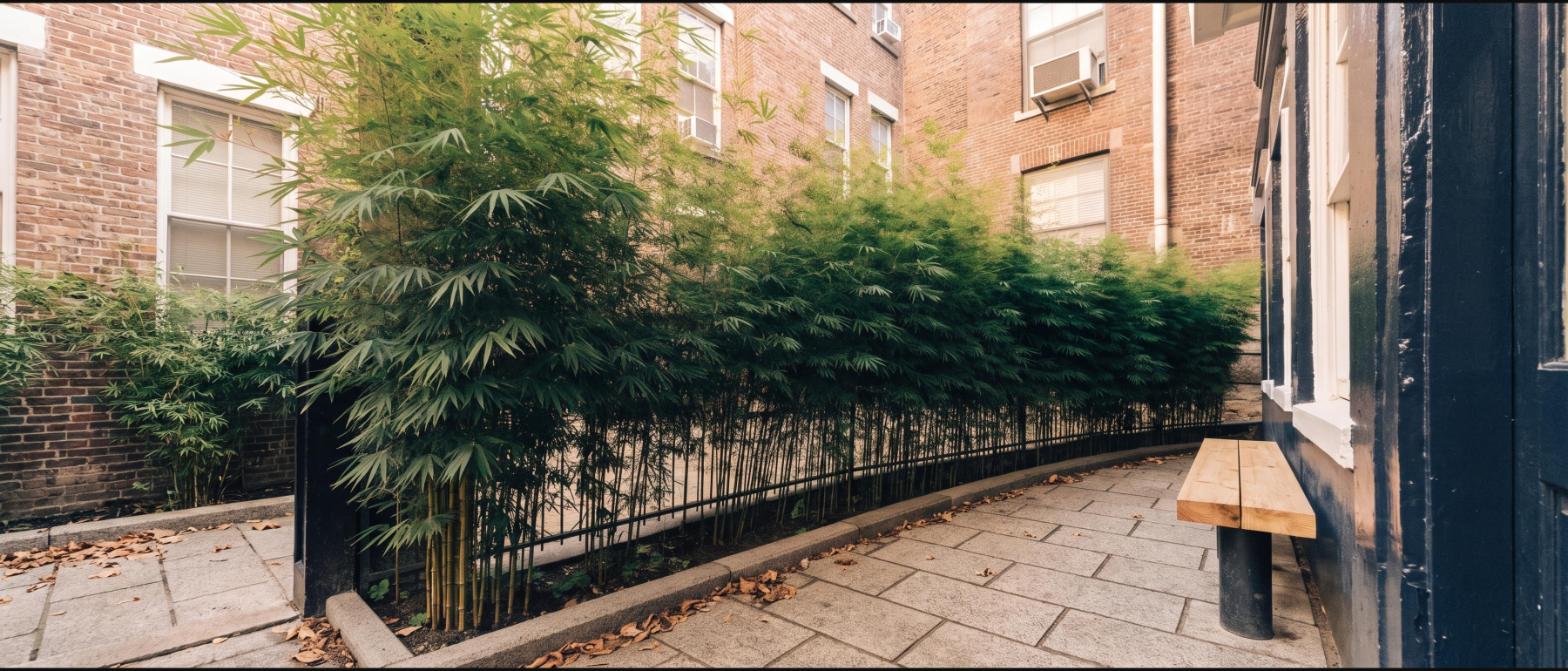
Paper and vinyl rolls are made for rooms. Outdoors they catch wind, crease where you least want it, and always read as a studio that has been carried into a garden. A planted boundary reads as a location, which is a different and better thing. It is also genuinely opaque, so it does the privacy job as well as the picture job.
Why Bamboo Specifically
Height without footprint is the main argument. Bamboo grows vertically rather than spreading outward, so it screens at eight or ten feet while taking up a strip perhaps two feet deep. In a small yard, where every square foot is space you could be shooting in, that is the difference between a usable set and a hedge you keep backing into.
The screening species also hold their leaves through winter, which matters if you shoot four collections a year rather than one. And they are dense enough at eye level to actually kill a sightline rather than just soften it. That combination — tall, narrow, evergreen — is why people looking at bamboo for privacy screen planting tend to land on it over conventional hedging.
One caveat worth knowing before you buy anything: bamboo comes in clumping and running types, and the running kind spreads aggressively underground. If you rent, or the boundary is shared, only consider clumping varieties. This is not a minor detail.

Watch: Growing Bamboo — It’s Invasive!!! Wait, Is It? (YouTube)
What It Does to Your Light
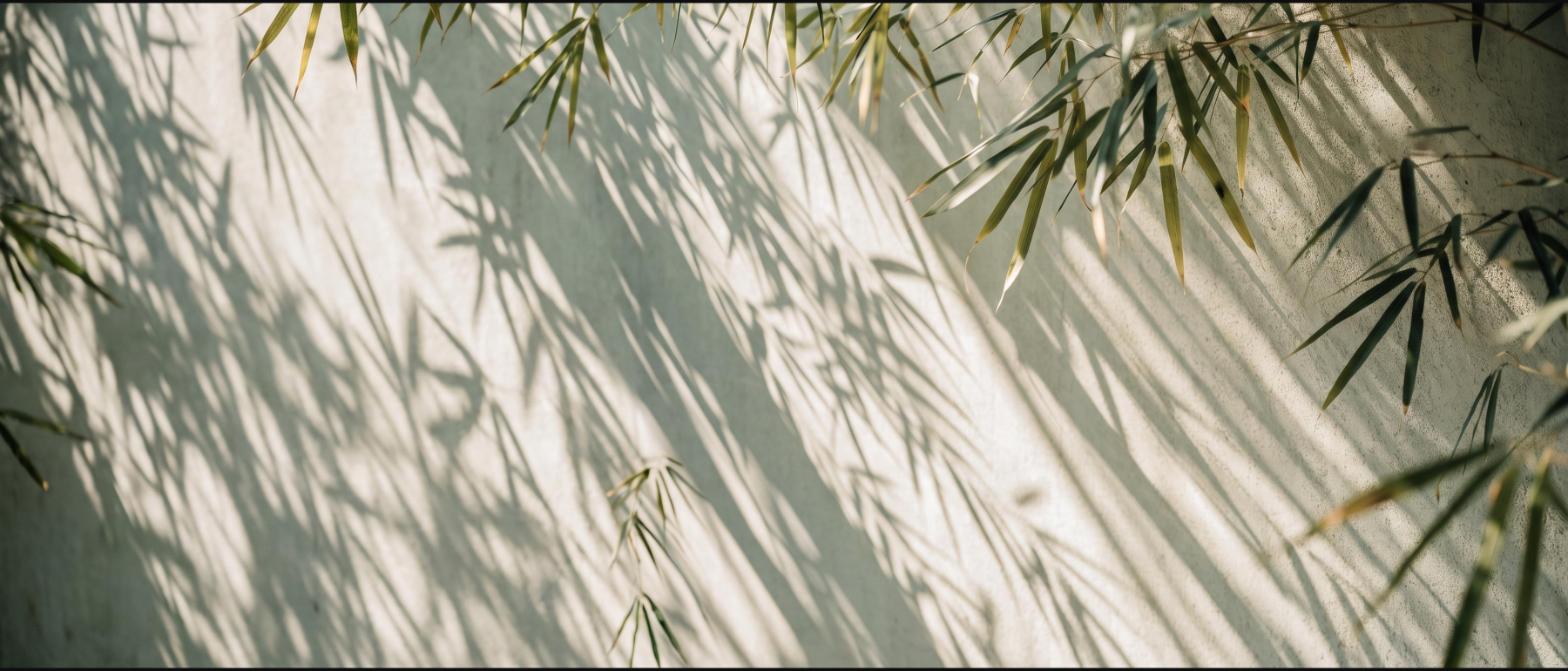
This cuts both ways and is worth understanding before you plan a shoot around it. Bamboo breaks hard sun into dappled light, which looks beautiful on a wall and can be a nightmare on a face — mottled skin tones are hard to grade out afterwards.
The practical approach is to keep it behind talent as a backdrop rather than letting it filter your key light. On an overcast day the problem disappears entirely and you simply have a green wall. Wind is the other variable: movement adds life to video and ruins a long exposure.
The Part Nobody Mentions
It is a plant. A screen that actually screens takes two or three growing seasons to fill in, and buying larger stock only shortens that a little. If the lookbook shoots next month, get a roll of seamless and plant the bamboo for next year’s. Treat it as infrastructure, not as kit — which is the same way you should probably be thinking about the rest of your shoot setup.